
Sydney Property Investment Guide (2026): Market Insights, Strategy and Suburbs
Sydney is widely considered one of the most resilient real estate markets in the Asia-Pacific region. Supported by population growth, limited land supply, and strong economic activity, Sydney property investment continues to attract local buyers, international investors, and long-term wealth planners.
This Sydney Property Investment Guide explains how the Sydney property market works, what drives long-term property demand, and how investors typically approach Sydney property investment strategies.
Quick Overview: Sydney Property Investment
For investors researching Sydney property investment, several structural factors influence the market:
Sydney is Australia's largest economic and financial center
The city has limited land supply and strict planning controls
Population growth and migration continue to support housing demand
Infrastructure investment is reshaping key growth corridors
The Sydney rental market remains active in many locations
These fundamentals are why Sydney property investment is often viewed as a long-term strategy rather than a short-term trade.

Sydney (pictured), is Australia's largest economic and financial center.
Why Sydney Property Investment Remains Attractive
Limited Housing Supply
Sydney’s geography creates natural constraints. The city is surrounded by the ocean, national parks, and protected land. Combined with planning regulations, these factors often limit new housing supply. Because of this, Sydney property investment is frequently associated with long-term scarcity value.
Population Growth and Migration
Sydney remains Australia's primary destination for skilled migration and international students. Population growth increases housing demand, which can influence the long-term outlook for Sydney property investment.
Key demand drivers include:
Skilled migration
University students
Professional employment opportunities
Lifestyle migration within Australia
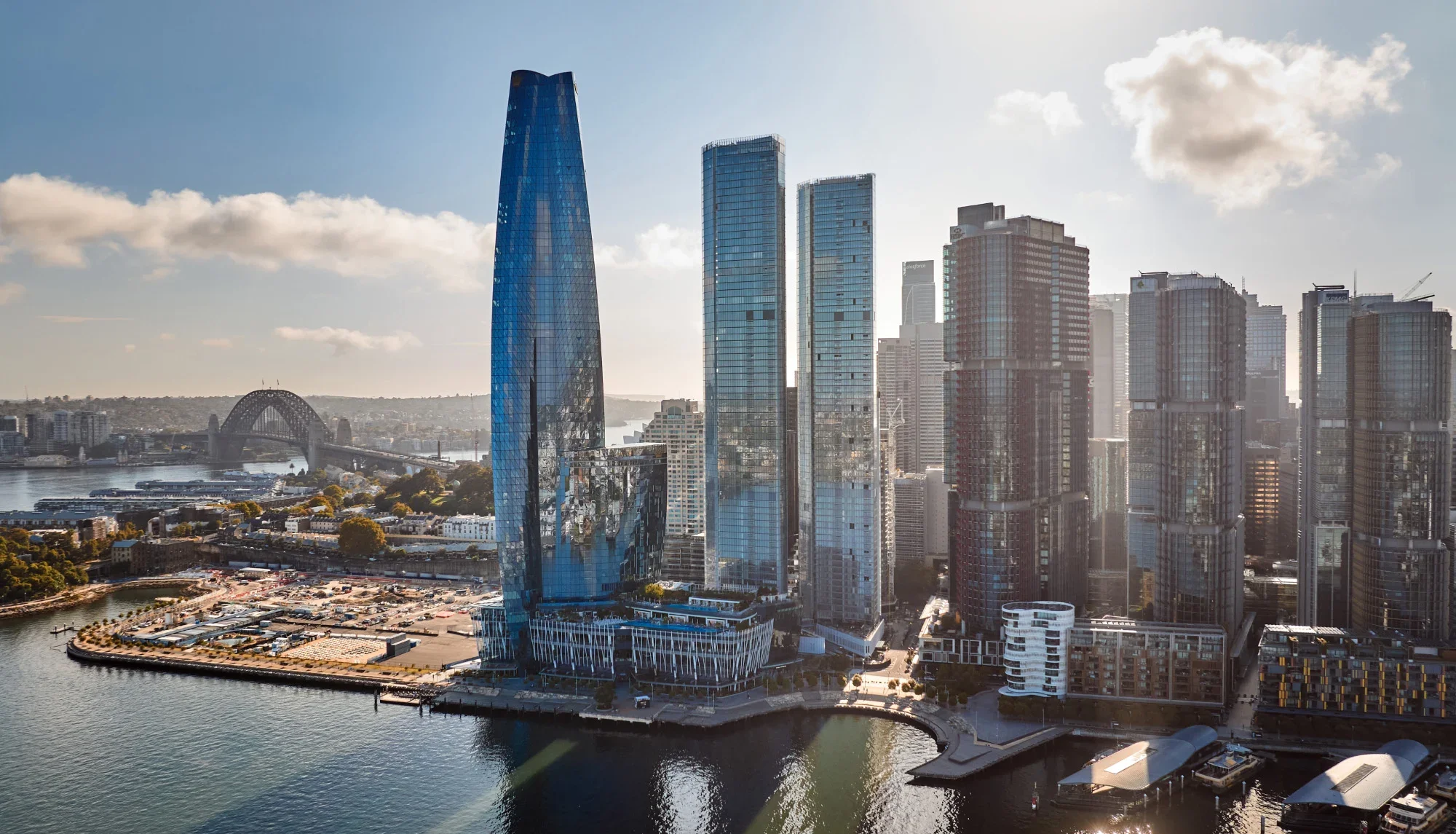
One Sydney Harbour, Barangaroo, Sydney
Australia Population Growth Trend
| Year  | Australia Population | Annual Growth |
| 2015 |        23.8 million          |          1.4%           |
| 2017 |        24.6 million          |          1.6%           |
| 2019 |        25.4 million          |          1.5%           |
| 2021 |        25.7 million          |          0.2%           |
| 2023 |        26.6 million          |          2.4%           |
| 2024 |        27.1 million           |          2.0%          |
Australia Population Forecast
Population projections also indicate continued long-term growth, which may support future housing demand in major Australian cities.
2030 ~29 million
2040 ~32 million
2050 ~35 million
2060 ~38 million

Parramatta, Sydney’s new CBD on the rise.
Strong Economic Fundamentals & Global City Appeal
The economy of Sydney is underpinned by a diverse mix of major industries, including finance and banking, technology, healthcare, and professional services. This broad economic base plays a key role in supporting consistent housing demand, which many analysts view as a fundamental driver of stability in Sydney property investment. Beyond its economic strength, Sydney’s global city appeal further enhances its attractiveness to buyers. Regularly ranked among the world’s most livable cities, it offers a unique lifestyle defined by coastal living, strong international connectivity, globally recognized universities, and well-developed infrastructure. As a result, for many purchasers, Sydney property investment is not purely a financial decision but also tied to education opportunities, relocation plans, and long-term residency aspirations.
Types of Properties Used for Sydney Property Investment
Apartments
Apartments are a common entry point for Sydney property investment, particularly in inner-city locations.
Typical characteristics:
Lower entry price compared with houses
Strong rental demand near employment hubs
Popular among international investors and young professionals
However, investors usually consider factors such as building quality, strata costs, and local supply levels when evaluating Sydney property investment apartments.
Townhouses
Townhouses offer a balance between apartments and detached houses.
For some investors, townhouses represent a flexible option within Sydney property investment strategies.
Potential advantages include:
More internal space than apartments
Lower maintenance than houses
Appeal to families and long-term tenants

Western Sydney Growth Corridor
Western Sydney continues to experience large-scale infrastructure investment, including the Western Sydney International Airport and metro rail expansion.
Suburbs frequently mentioned in Sydney property investment discussions include:
Parramatta
Liverpool
Westmead
Schofields
Infrastructure projects can reshape employment centres and transport connectivity, which many investors monitor when evaluating Sydney property investment opportunities.
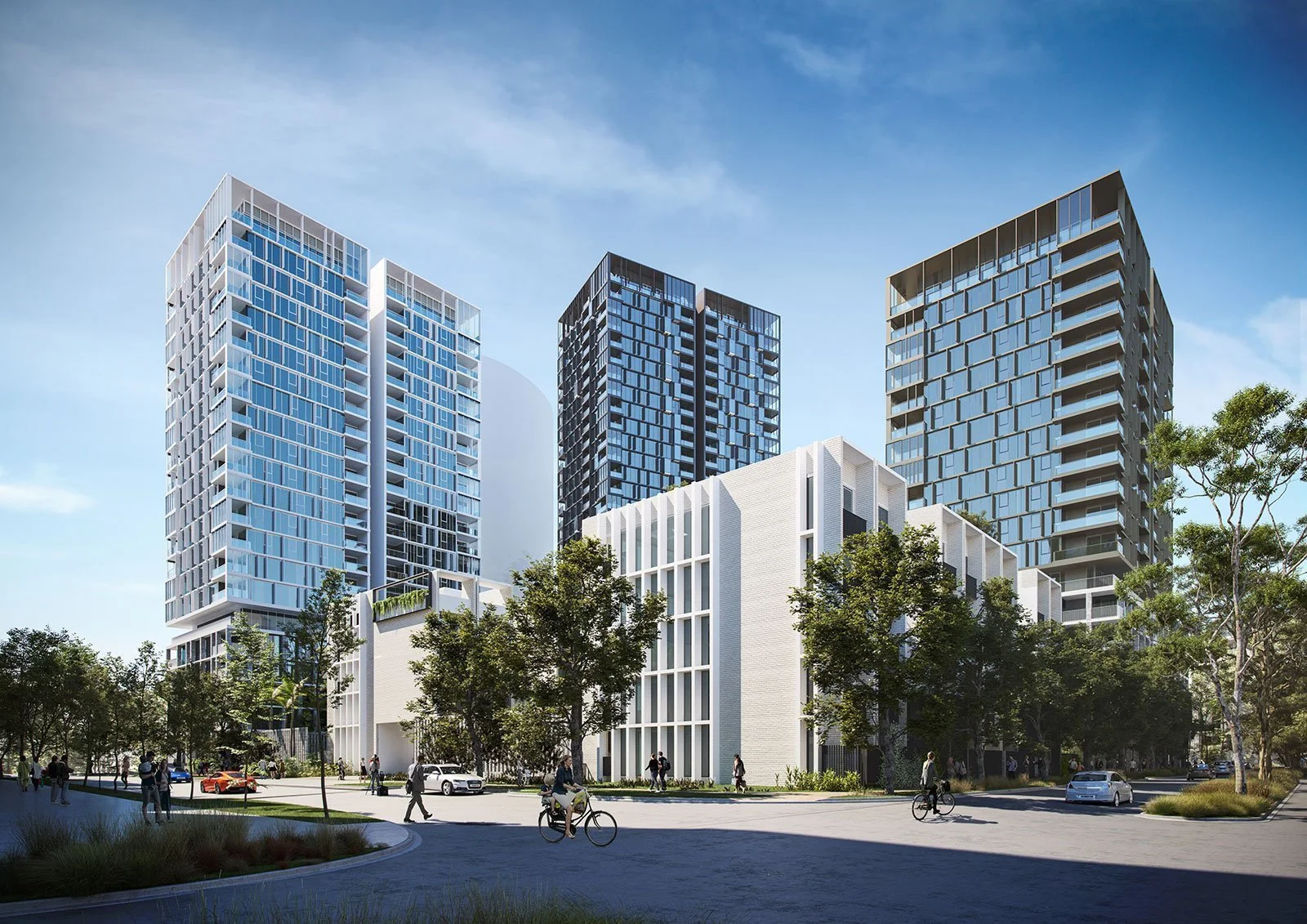
Houses and Land
Detached houses historically play an important role in Sydney property investment because land scarcity can influence long-term value.
Key characteristics include:
Land value appreciation potential
Strong owner-occupier demand
Lower supply compared with apartments
However, houses generally require a higher capital commitment.
Popular Areas for Sydney Property Investment
Location is a central consideration in Sydney property investment decisions. While market conditions change, several types of locations frequently attract investor attention.
Inner City and CBD Fringe
Areas close to the Sydney CBD often benefit from strong rental demand.
Examples include:
Surry Hills
Zetland
Redfern
Waterloo
These suburbs attract professionals working in the CBD, which may support rental demand in Sydney property investment properties.
North Shore
Sydney’s North Shore is known for its education facilities, transport links, and established communities.
Commonly discussed suburbs include:
Chatswood
St Leonards
Lane Cove
These areas often attract owner-occupiers, which can influence long-term demand for Sydney property investment.
Key Factors Investors Consider
Infrastructure Development
Major transport and infrastructure projects may influence property demand in surrounding areas.
Examples include:
Sydney Metro expansion
Western Sydney Airport
Second CBD development - Parramatta
These projects are often considered by investors studying Sydney property investment trends.
Rental Market Conditions
Rental demand can vary across different parts of Sydney.
Important indicators include:
vacancy rates
tenant demographics
proximity to employment centres
Understanding the Sydney rental market is an important component of Sydney property investment research.
Building Quality and Builder Track Record
When evaluating properties for Sydney property investment, buyers often consider the builder’s track record, construction quality, and overall building standards. Workmanship, materials, and long-term maintenance requirements may influence both property durability and owner satisfaction. For many investors, understanding building quality is an important part of assessing Sydney property investment opportunities.
Is Rental Demand Strong in Sydney?
Sydney’s rental market has remained relatively tight in recent years due to strong population growth and limited housing supply.
Rental Indicator Sydney Market Data Vacancy Rate ~1.5%
Median Weekly Rent (House) ~$800 Median Weekly Rent (Unit) ~$750 Gross Rental Yield (House) ~2.8%
Gross Rental Yield (Unit) ~4.3%

Sydney’s rental market has remained relatively tight in recent years, supported by population growth, skilled migration, international students, and employment opportunities.
Apartments tend to deliver relatively stronger rental yields because their purchase price is lower relative to rental income. This means that apartments may offer more stable rental cash flow compared with detached houses, particularly in areas close to transport, universities, and employment centres.
However, rental performance can vary significantly between suburbs, building quality, and local housing supply. Investors typically evaluate both rental demand and long-term market fundamentals when assessing Sydney property investment opportunities.
About the Author
This guide was prepared by Apex Investment Alliance, specialising in Sydney property markets and strategic property investment insights for local and international buyers.
Disclaimer
The information provided in this article is for general informational purposes only and does not constitute as financial, investment, or legal advice. Property markets are subject to change and individual circumstances may vary.
Readers should conduct their own research and seek independent professional advice before making any property investment decisions.